The way we say goodbye is deeply personal. As families explore funeral arrangements that reflect their beliefs and values, water-based alternatives are becoming part of the conversation.
Alkaline hydrolysis offers a different approach to caring for the deceased. It brings together a controlled technical process and the opportunity to consider another option alongside burial and conventional flame cremation.
Alka Eco’s message—introducing innovation in funeral care—invites families and funeral professionals to learn more about this technology.
What Is Alkaline Hydrolysis?
Alkaline hydrolysis, often called water cremation or aquamation, uses water, alkaline chemicals, and heat to accelerate the natural breakdown of organic material within purpose-built equipment.
Unlike conventional cremation, the process does not use flame. It leaves bone material that can be prepared for return to the family, while the remaining liquid requires appropriate treatment and management.
Although the concept may be unfamiliar, understanding these basic principles provides a starting point for an informed conversation.
Water, Nature, and a Thoughtful Farewell
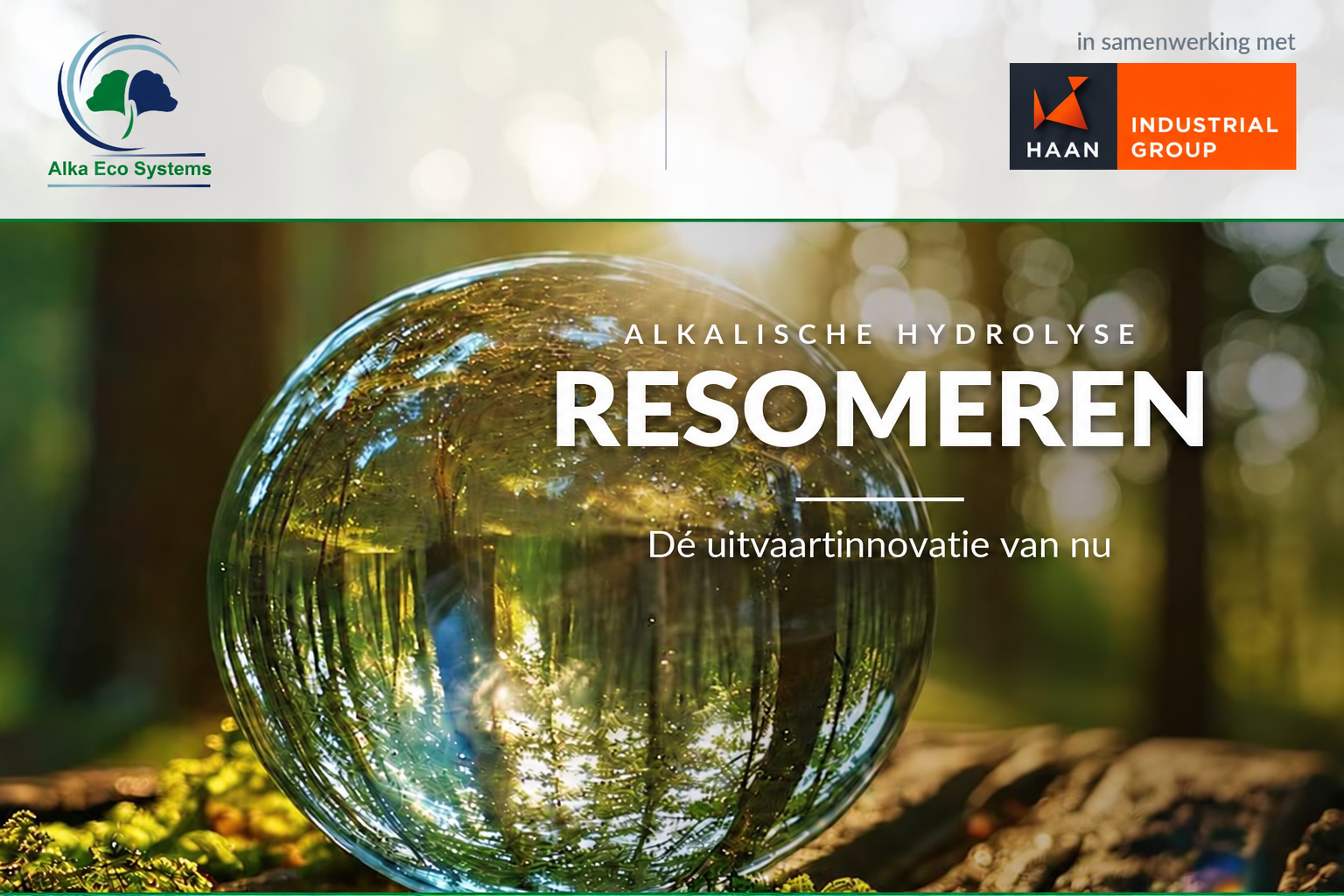
The forest reflected in Alka Eco’s imagery represents a connection with nature. Water, light, and greenery introduce the subject through a sense of calm and reflection.
These elements are symbolic. The actual alkaline hydrolysis process takes place in specialised equipment under controlled operating conditions.
Together, the imagery and technology encourage a broader question: how can innovation support meaningful choices in funeral care?
Understanding the Environmental Considerations
Environmental impact is one reason people explore alkaline hydrolysis. However, evaluating any funeral technology requires looking beyond its name or appearance.
Energy consumption, water use, chemical requirements, and the management of process liquids all contribute to its overall environmental performance. The equipment configuration and local operating conditions also matter.
For funeral professionals, these considerations are an essential part of assessing whether a system is suitable for their facility and the communities they serve.
Alka Eco’s Focus on Innovation
Alka Eco develops alkaline hydrolysis systems with an emphasis on engineering and resource efficiency.
Introducing this technology involves more than selecting equipment. It also means understanding installation requirements, operator training, maintenance, and the procedures needed for responsible operation.
By discussing these practical details, funeral professionals can better understand how alkaline hydrolysis could fit into their services.
Personal Choice Starts with Clear Information
Funeral decisions should leave room for individual beliefs, cultural traditions, and family preferences.
Clear explanations help people understand what alkaline hydrolysis involves and how it differs from other options. Families should have the opportunity to ask questions and consider whether the approach aligns with their wishes.
Availability depends on local regulations and service providers, so confirming what is permitted and accessible is an important part of that discussion.
Learn More About Alkaline Hydrolysis
Innovation in funeral care begins with understanding the options.
Whether you are a funeral professional exploring new technology or an organisation seeking information about water-based funeral care, Alka Eco can provide further details about its systems and their operating requirements.
Contact Alka Eco to learn more about alkaline hydrolysis and discuss your requirements.
Alka Eco B.V. & HAAN Industrial Group (part of Koobra Industrial)